
Istanbul · DHI & Sapphire FUE
A natural-looking hairline is planned, not guessed
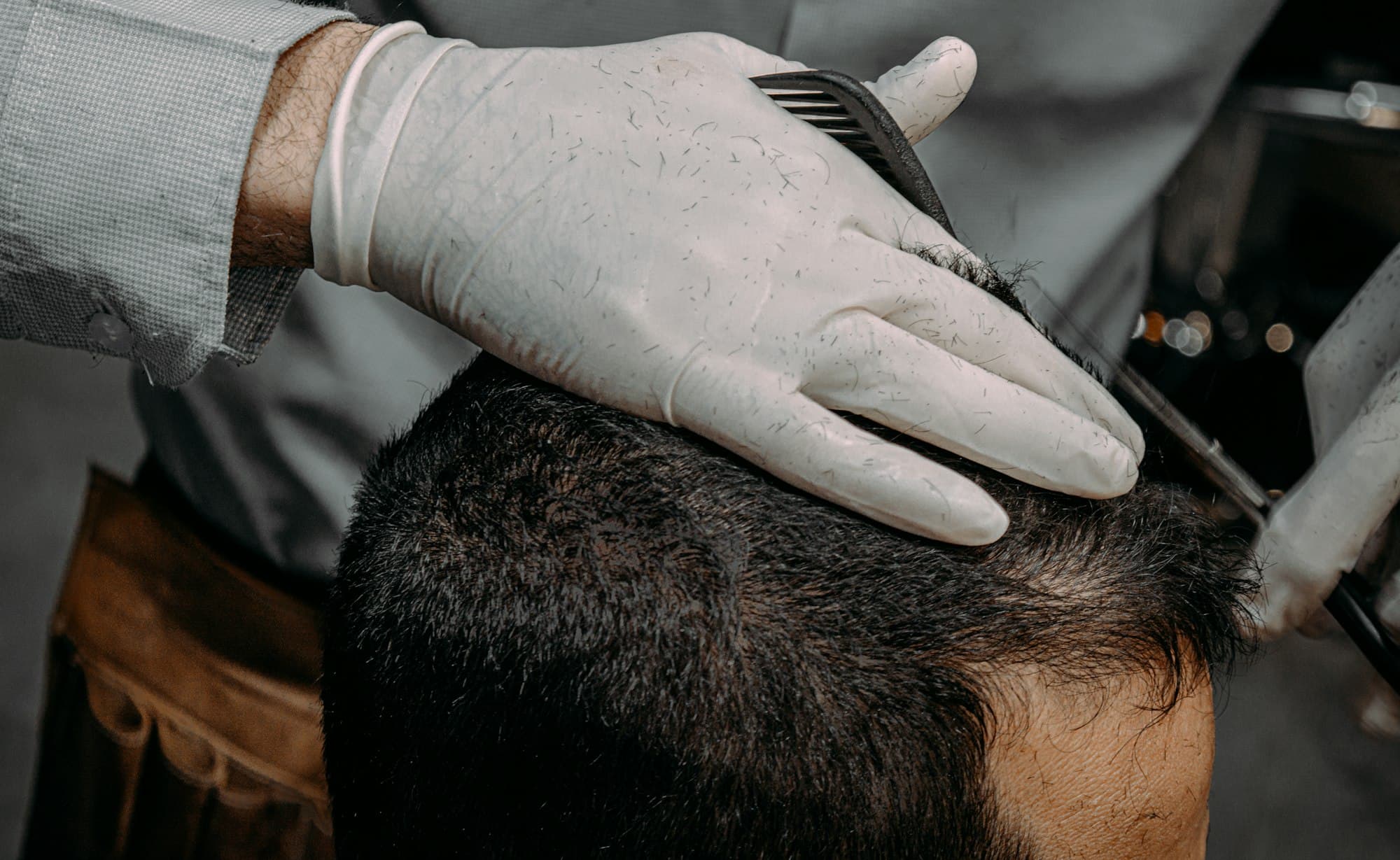
At Linda Hair, every transplant is planned around your donor capacity, your facial proportions and how your hair loss is likely to progress. Send us your photos and we will discuss the right technique and an approximate graft estimate — free of charge.
- Free photo-based preliminary assessment
- Hairline designed for your face
- Communication in English and Turkish
01
Preliminary assessment
A free, no-obligation analysis based on your photos
02
Medical examination
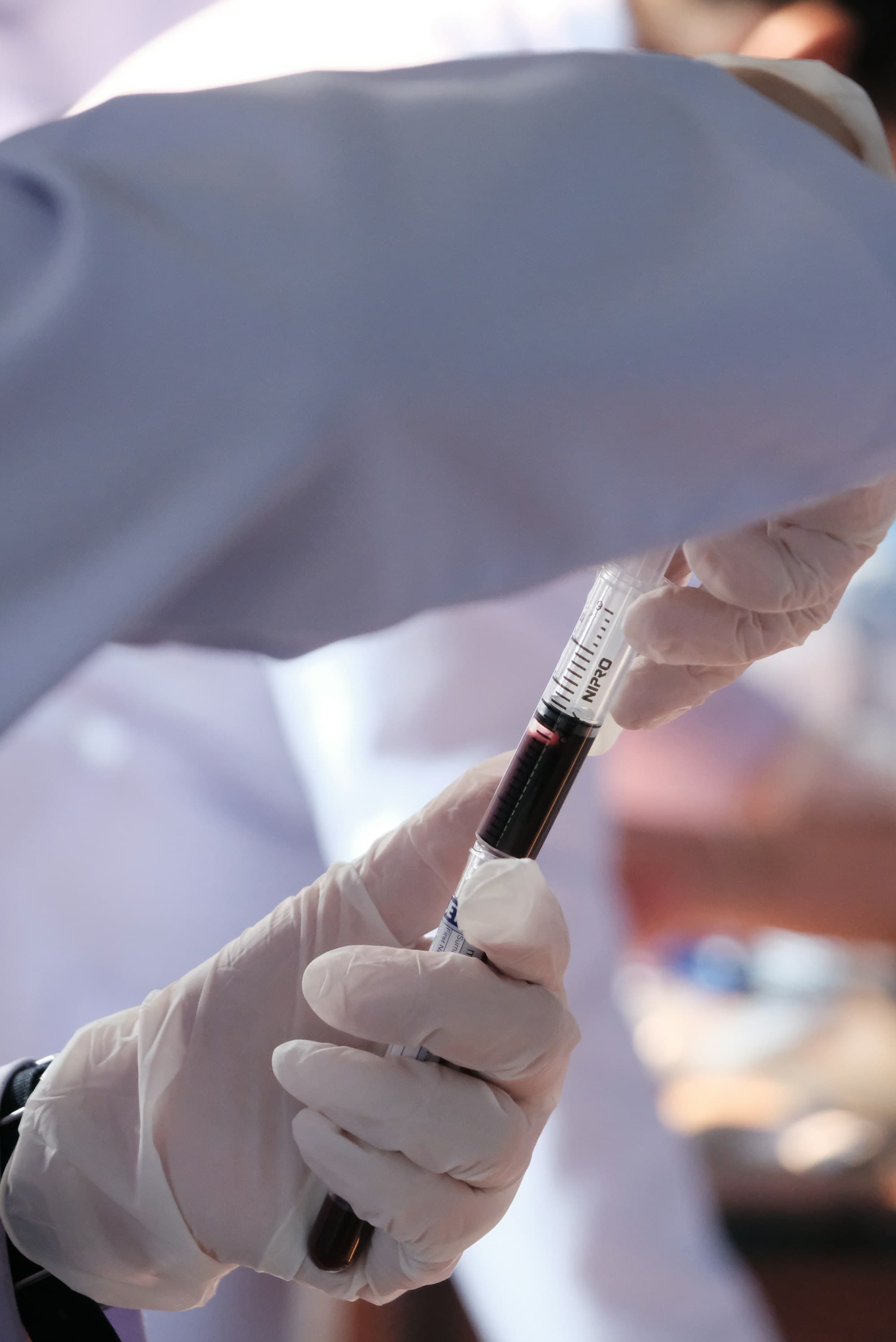
Surgery is confirmed only after blood tests and an examination
03
Measured planning
Realistic density goals that protect the donor area
04
Structured follow-up
Guidance on washing, care and check-ups after surgery
Our treatments
Personalised solutions for hair, beard and brows
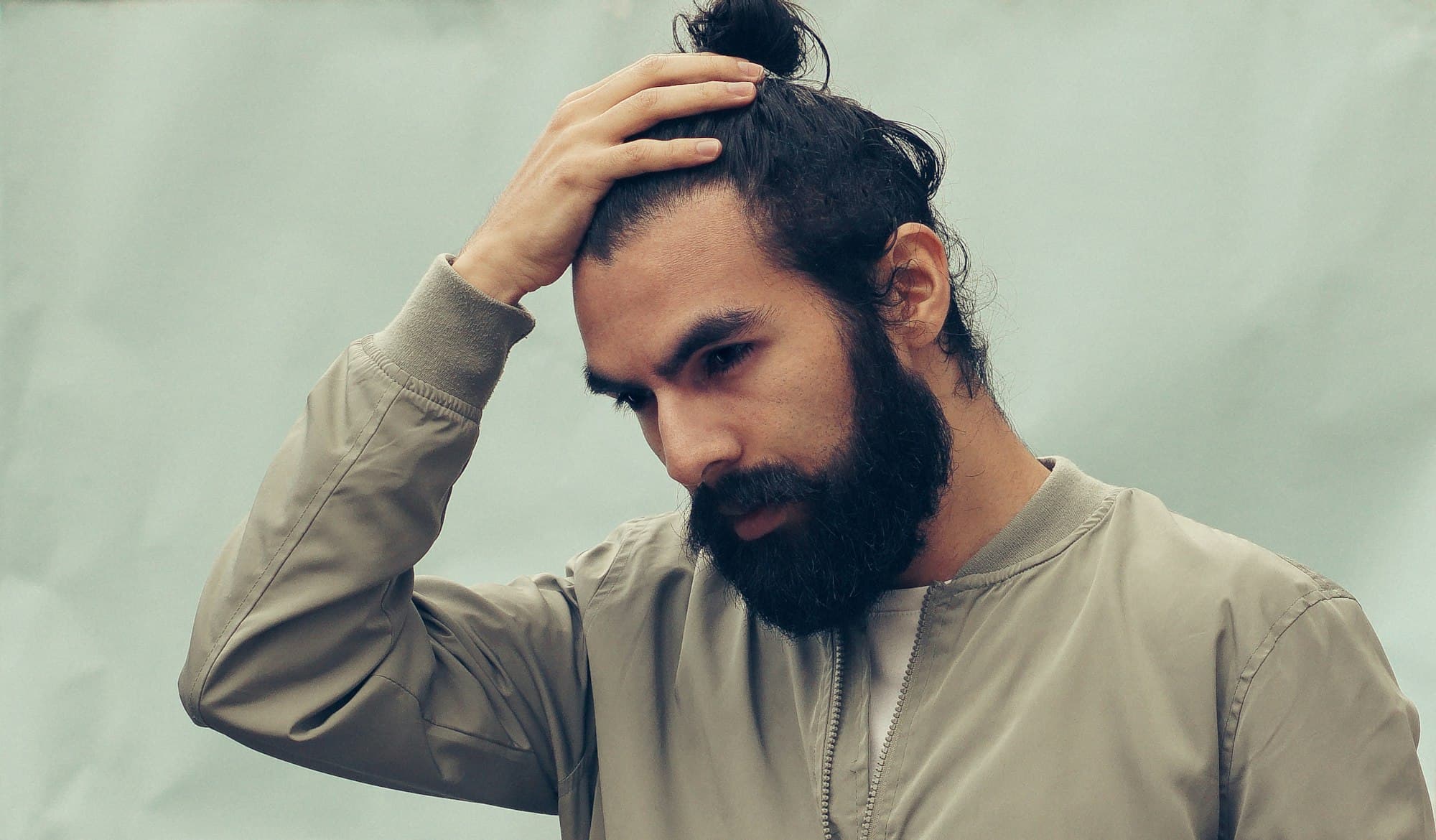
No technique suits everyone. The type of hair loss, the thickness of your hair and your expectations decide which method is right.

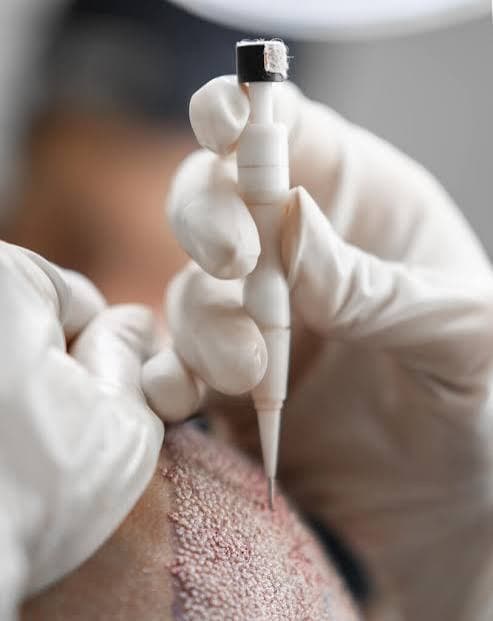
Understanding the DHI technique
How does DHI hair transplant work?
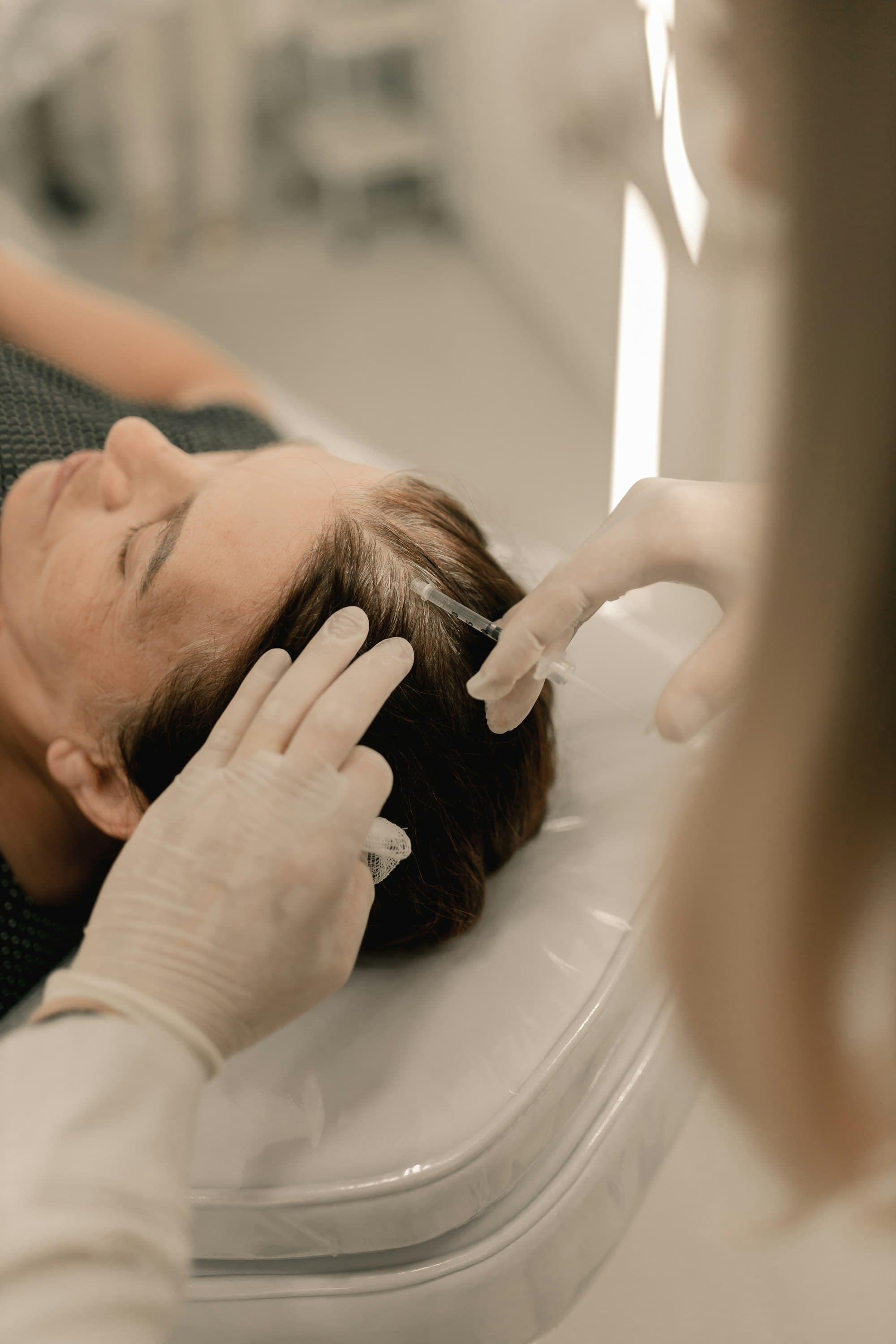
In DHI, harvested grafts are placed directly into the recipient area with a special instrument called the Choi implanter pen, without opening channels beforehand.
- 01
Channel creation and placement happen together
The implanter pen releases the graft into the channel it creates in a single motion, shortening the time the graft spends outside the body.
- 02
Hair direction follows the design
Each graft is placed according to the exit angle and direction of the surrounding hair.
- 03
Density matches each zone
The hairline, mid-scalp and crown are planned with different density goals.
Technical approach
Three critical stages, one coordinated plan
Donor management, graft preservation and placement are planned as connected parts of the same process.
01
Preserving the donor area
Follicles are not harvested to hit a number; they are taken at even intervals so the back of the head keeps its natural look.
- Assessment of hair shaft thickness
- Defining the safe extraction zone
- Planning an even distribution
02
Keeping grafts viable
Harvested follicles are sorted into single, double and triple-hair grafts and stored in a suitable solution until placement.
- Sorting under magnification
- Grouping by hair count
- Keeping time outside the body short
03
Controlled placement
Single-hair grafts form the front of the hairline; multi-hair grafts go behind it where volume is needed.
- A naturally irregular front line
- Faithful angle and direction
- Density matched to each zone
Before & After
The visible outcome of planning
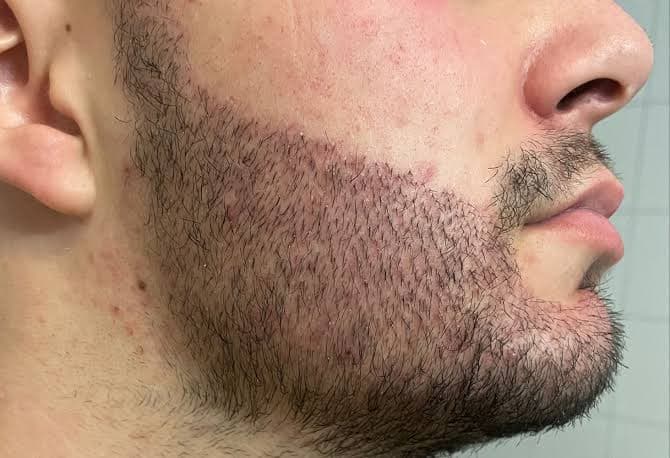
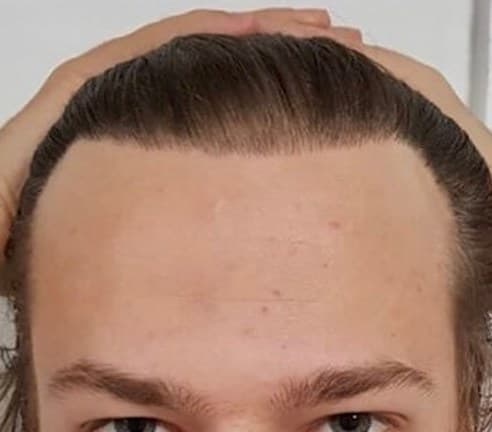
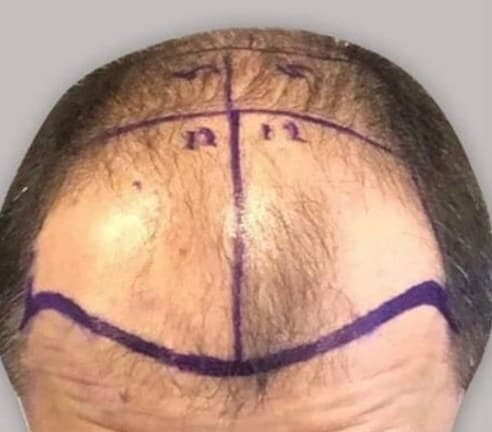
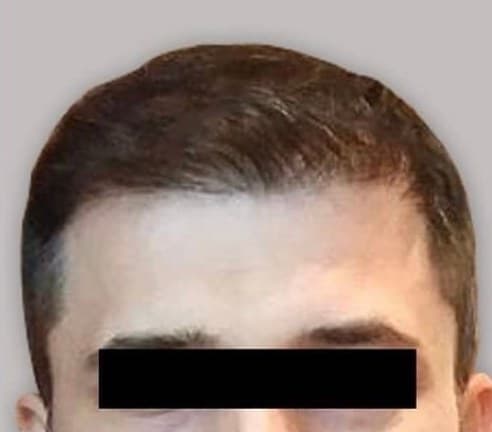
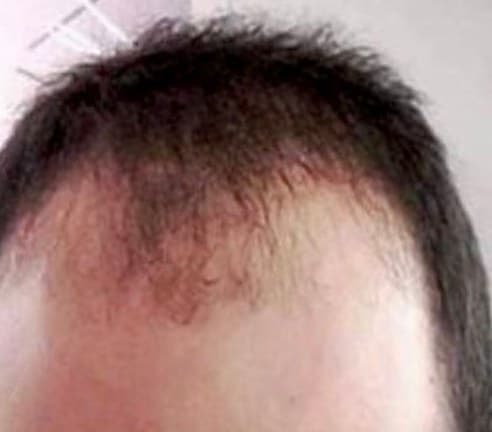
Results vary from person to person. Images show the same patient before surgery and during follow-up; as with any surgical procedure, a detailed consultation is required.
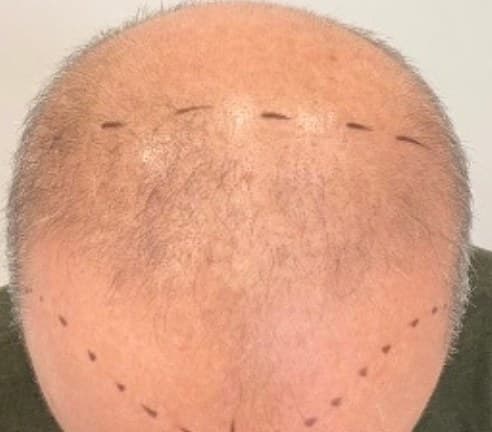 Before
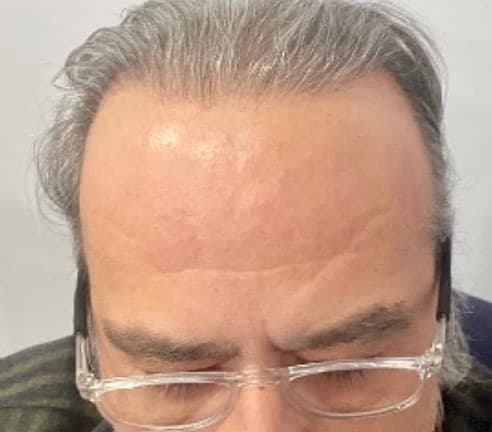 After
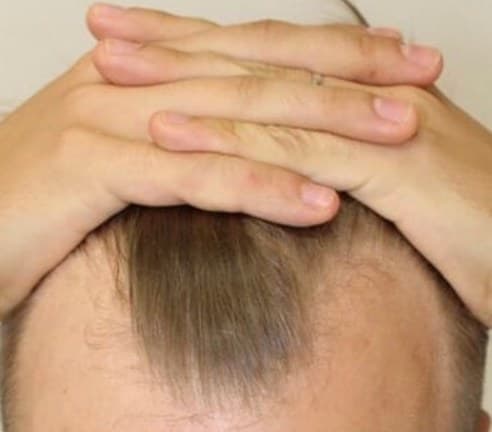 Before
 After
 Before
 After
 Before
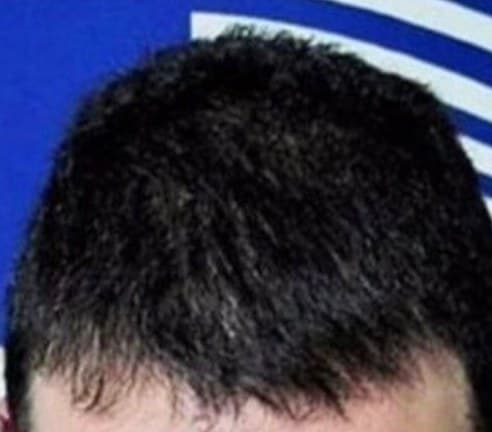 After
Hair transplant process
From the first consultation to new hair
- 01
Preliminary assessment
We review your photos and share a suitable technique and approximate graft range.
- 02
Planning
Your surgery date and travel plans are confirmed together.
- 03
Examination & tests
On surgery day: blood tests, examination and hairline drawing.
- 04
Surgery
Extraction and implantation are completed under local anaesthesia.
- 05
First wash
A check-up and your first wash take place at the clinic the next day.
- 06
Follow-up
We follow your progress with photo check-ins through the growth period of up to 12 months.
Before you decide
Clear information for your decision
What is a DHI hair transplant?
DHI (Direct Hair Implantation) is a hair transplant method in which follicles are harvested one by one from the back and sides of the head and placed directly into the recipient area with a fine-tipped instrument called the Choi implanter pen. In classic FUE, channels are opened in the recipient area first and the grafts are placed into them afterwards. With DHI, creating the channel and releasing the graft happen in the same motion.
The main advantage of this approach is control. The tip of the pen releases each graft at a set angle, depth and direction. This precision is decisive for a natural result, particularly at the frontal hairline, around the temples and when densifying between existing hair. Because channels are not opened in advance, there is also less risk of damaging healthy native hair, which makes DHI a good option for unshaven transplants.
DHI is not the right answer for every case, however. For very large bald areas, or where a high graft count is needed in a single session, Sapphire FUE can be more efficient. The choice of technique depends on the size of the area, the thickness of your hair, the density of your donor area and what you expect from the result. In some patients both techniques are combined in the same operation: the hairline with DHI and the areas behind it with Sapphire FUE.
Who is a good candidate for a hair transplant?
The most important requirement is a sufficient and healthy donor area. Hair at the back of the head and above the ears is genetically resistant to hair loss, and these follicles keep that resistance where they are transplanted. If the donor area is weak or hair loss is very diffuse, the plan focuses on a more limited zone, or supportive treatments are recommended first.
People with male-pattern hair loss (androgenetic alopecia) whose hair loss has stabilised to some degree, and whose general health suits a procedure under local anaesthesia, are usually good candidates. Having a transplant very young, while hair loss is still progressing quickly, can leave new gaps behind the transplanted area later on. That is why age, family history and the speed of hair loss are always discussed during the preliminary assessment.
In women, hair loss is often diffuse and may be hormonal, thyroid-related or nutritional. In these cases the cause has to be investigated first. For a high hairline, a widening parting or scarring after trauma, however, a hair transplant can give women excellent results too.
What does recovery look like?
In the first few days after surgery, the recipient area shows some redness and small scabs. The first wash usually takes place the next day, and with regular washing the scabs fall away within about 10 days. Most patients can return to work that does not involve heavy physical effort within a few days.
From the second week onwards, some of the transplanted hairs fall out. This is called shock loss and it is normal: the follicle stays in place and prepares to grow new hair. New hairs usually begin to appear around the third month, and a clear change is visible by month six. Thickening and the final look can take up to 12 months, and up to 18 months in some areas, particularly the crown.
Correct care during this period has a direct impact on the result. You will receive written instructions after surgery on washing technique, sleeping position, sun protection, and how long to avoid exercise and smoking. For the detailed timeline, see our hair transplant aftercare page.
Why Istanbul?
Istanbul is a popular choice for international patients thanks to its long experience in hair restoration, its experienced teams and its direct flight connections to many cities around the world. Because surgery is usually completed in one day, a short stay that includes the check-up and first wash is enough for most patients.
Even so, we recommend that you judge not just the city but who is offering you what kind of plan. A preliminary assessment should explain clearly which technique has been chosen and why, how many grafts are planned and how the donor area will be protected. At Linda Hair, we run every consultation around clear answers to those questions. To learn more, read our guide to hair transplant in Turkey.
Common questions
What patients ask us most
Is a hair transplant painful?
The procedure is performed under local anaesthesia. You may feel a slight sting during the first minutes while the anaesthetic is applied; after that, no pain is felt during the procedure. Mild tightness and tenderness afterwards is easily managed with the recommended painkillers.
How long does a hair transplant take?
Depending on the number of grafts and the technique, the procedure usually takes 6–8 hours. This includes the examination, hairline drawing and breaks.
Is the transplanted hair permanent?
Follicles taken from the donor area are genetically resistant to hair loss and keep that resistance where they are transplanted. Native hair in untreated areas may continue to thin, however, which is why some patients are advised to use supportive treatment.
When will I see the results?
New hair usually starts to appear in month 3, and a clear difference is visible by month 6. The final look develops around month 12; at the crown it can take up to 18 months.
How does the free preliminary assessment work?
Simply send photos of your hair taken from the front, top, both sides and back via WhatsApp. We will send you a suitable technique and an approximate graft range on the same channel.
Free Hair Analysis
Send your hair analysis and let us plan your treatment
Photos of the front, top, sides and back are enough. The assessment is free and places you under no obligation.