On this page
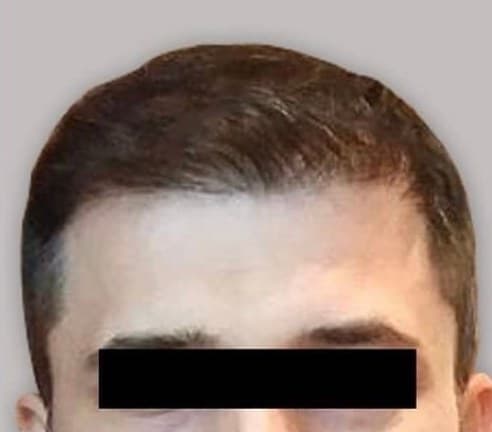
When it is planned correctly, a hair transplant gives extremely natural results. But not every transplant is performed to that standard. Some patients live with the marks of older techniques used years ago; others with the results of recent transplants carried out by inexperienced hands. A revision hair transplant is a second procedure aimed at correcting or improving those results.
Revision is harder than a first transplant. The donor area has already been used, there may be scar tissue in the recipient area, and the problems to be corrected are different in every case. That is why a revision plan starts with a careful analysis of the current situation.
The most common problems
An artificial-looking hairline
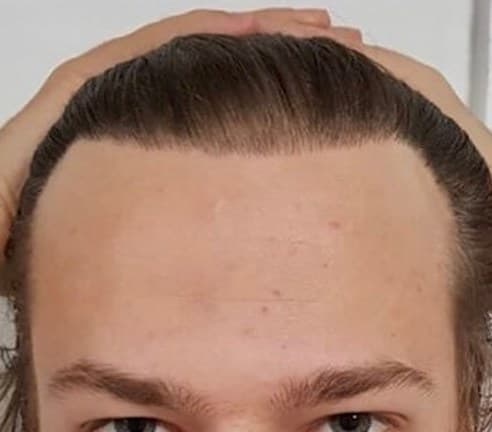
A hairline that is too straight, too sharp or set too low for the face is the most frequent complaint. Placing multi-hair grafts in the front row can create a tufted "doll's hair" look.
Low density
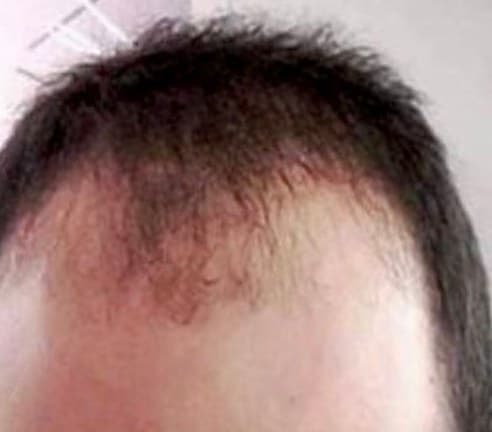
The transplanted area may look thin because grafts failed to grow or because the area was planned too large for the available grafts.
Wrong angle and direction
Hair that leaves the skin too steeply or in the wrong direction is hard to style and creates an unnatural look.
An over-harvested donor area
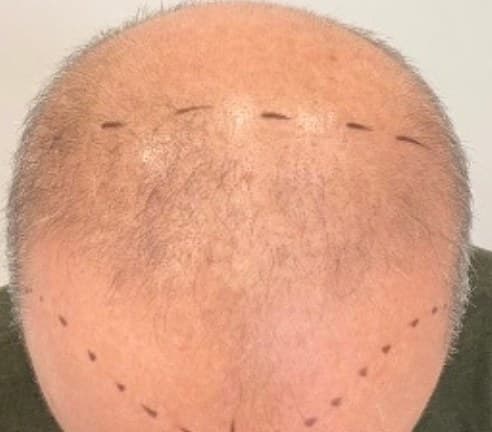
Sparse, "moth-eaten" patches at the back of the head, or linear scars from the old FUT method, are donor-area problems that need correction.
Progressing hair loss
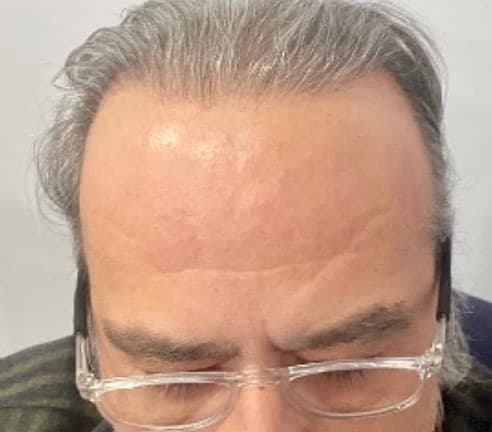
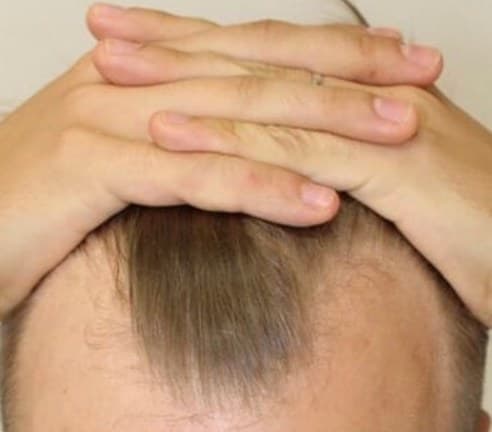
Even when a transplant was done well, continued loss of the surrounding native hair can leave the transplanted area looking like an "island".
How is a revision planned?
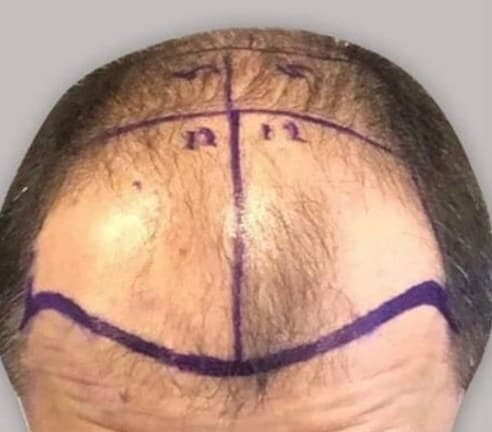
The first step in planning a revision is to establish the current situation clearly. We assess:
- When the previous transplant was done and which technique was used (if known)
- The density, angle and direction of the transplanted hair
- Whether the hairline suits your facial proportions
- The capacity remaining in the donor area and any scar tissue
- The condition of the surrounding native hair and how hair loss is progressing
We recommend not planning a revision until at least 12 months after the previous transplant. The hair needs that long to grow fully and for the result to become clear. Intervening early can damage follicles that have not yet emerged.
Which methods are used?
The methods used in revision depend on the problem:
- Softening the hairline: Fine single-hair grafts are added to the front row, turning a sharp edge into a natural transition. This work is usually done with the DHI technique.
- Increasing density: Additional grafts are placed between existing hairs in thin areas.
- Removing misplaced grafts: Grafts placed too low or at the wrong angle can, where needed, be removed one by one and re-implanted in a better position.
- Donor area correction: Old FUT scars can be camouflaged by implanting grafts into them; sparse areas are supported with a balanced distribution.
If donor capacity is limited, alternative donor areas such as beard or body hair may be considered. However, these hairs differ in structure from scalp hair and are not suitable for every case. See our donor area page for details.
Expectations
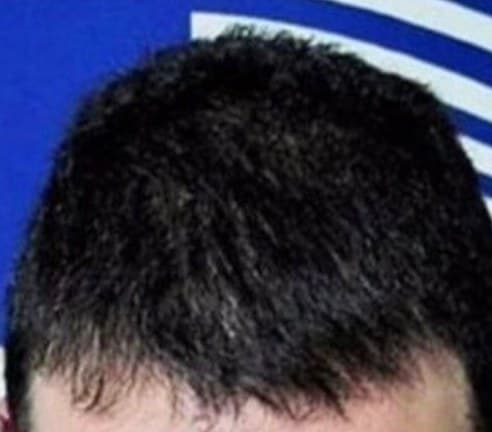
The goal of a revision is to make the result as natural and balanced as possible. Because donor capacity has already been used, though, it is not always possible to reach the density achievable in a first transplant. Some cases need more than one session to improve. During the preliminary assessment we discuss openly what is and is not possible.
Recovery
Recovery after a revision is similar to a standard transplant. The first wash takes place the next day and scabs fall away within 7–10 days. Some of the transplanted hair sheds in the first weeks, new hair begins to grow around month 3 and the final look develops around month 12. Healing may take a little longer in areas with scar tissue.
Frequently asked questions
How long after my previous transplant can I have a revision?
Waiting at least 12 months is usually recommended, so that the result of the first transplant has fully emerged.
Is a revision possible if my donor area is depleted?
It depends on the remaining capacity. With a limited number of grafts, the most visible areas such as the hairline can be prioritised; beard donor hair may also be considered.
Can an old FUT scar be covered?
In most cases, implanting grafts into the scar can camouflage it to a large extent.
When will I see the result of a revision?
As with a standard transplant, expect a clear change by month 6 and the final look by month 12.
The information on this page is for general guidance only; diagnosis and treatment decisions are made by a physician after examination. Results vary from person to person.