On this page
The first thing everyone researching a hair transplant looks at is before-and-after photos. That is only natural: real patients' results are the most concrete way to see a clinic's work. But reading these photos correctly matters too. On this page, alongside our results, we explain what to look for when assessing before-and-after photos.
What do the photos show?
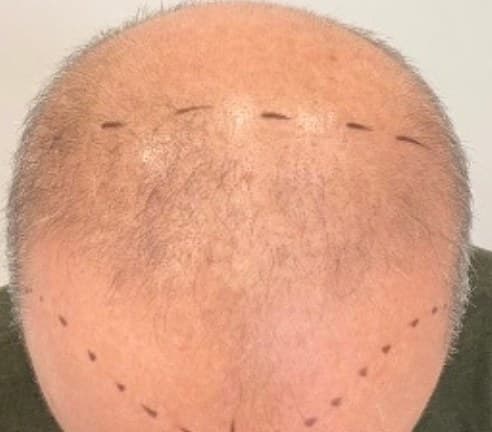
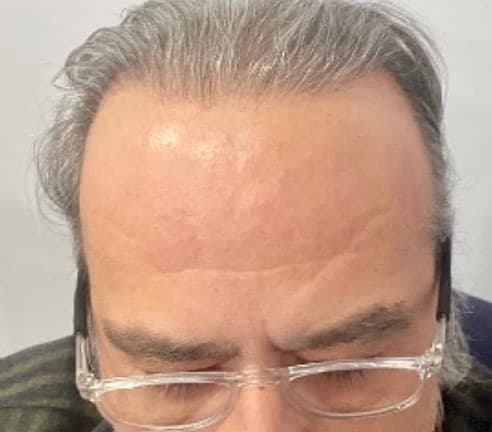
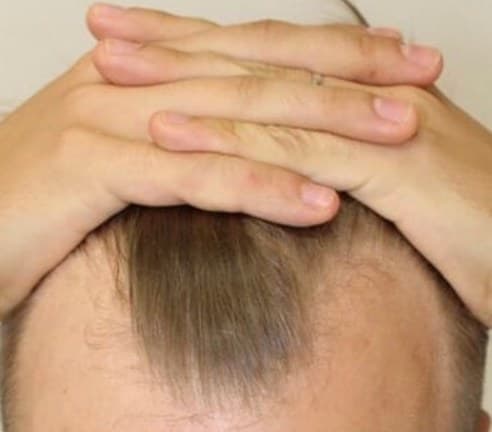
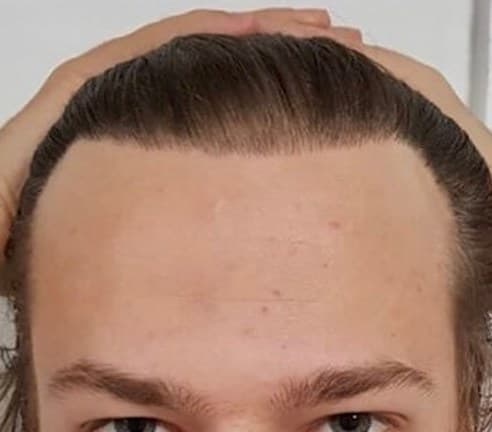
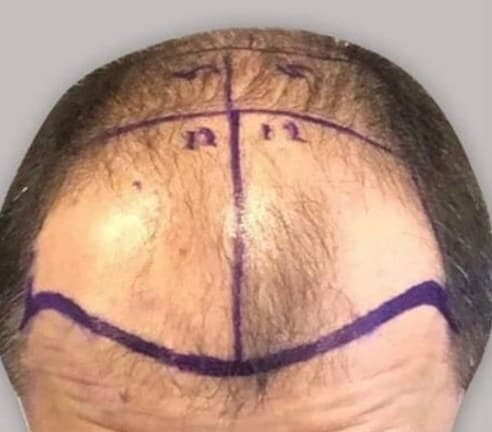
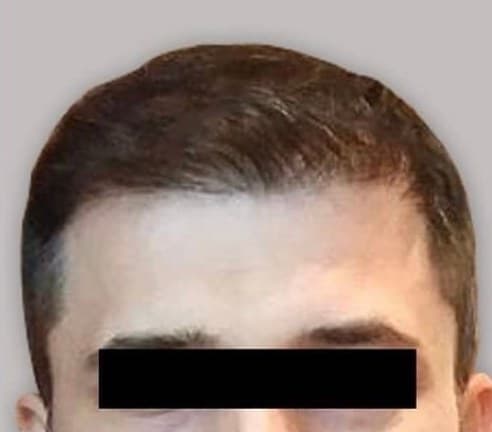
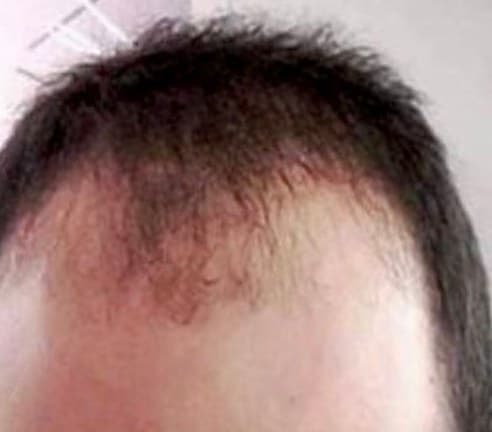
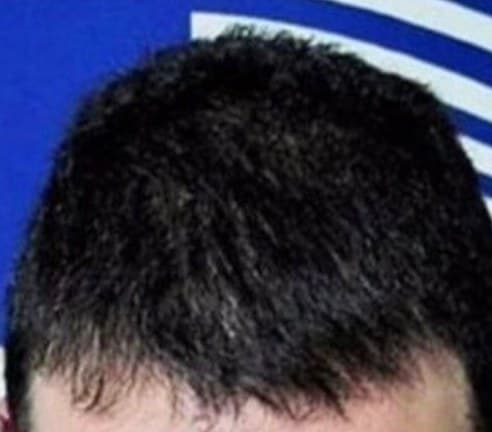
The cases above represent different types of hair loss and different planning needs:
- Advanced hair loss at the crown and front: A case where a large area was planned with donor capacity in mind.
- Frontal hairline and mid-scalp: A case where a receded hairline was rebuilt and the mid-scalp supported.
- Frontal hairline design: A new hairline drawn according to facial proportions.
- Frontal area densification: A case where a thinning front area was densified in harmony with existing hair.
In each case, the pre-operative drawing, implantation plan and result are different. Which plan suits you is decided by assessing your own hair and expectations.
How should before-and-after photos be assessed?
When comparing hair transplant photos, we suggest paying attention to the following:
Same angle, same light
For a fair comparison, photos need to be taken from a similar angle and in similar light. Strong overhead light makes thinning look more obvious; soft light hides it. There is also a big difference between wet and dry hair.
A natural hairline
Look closely at the hairline in the result photos. A natural hairline has a soft, slightly irregular transition rather than a sharp, straight edge. Tufted-looking hairs in the front row can be a sign that multi-hair grafts were placed at the front.
Density and distribution
Look not only at long, styled hair but, if possible, at short, unstyled hair as well. Real density is easier to judge that way.
The donor area
A good result shows not only in the treated area but in the donor area too. A back of the head that does not look sparse or uneven shows that harvesting was balanced.
Time
It matters how many months after surgery the result photos were taken. The final look of a hair transplant usually develops around month 12; earlier photos show an intermediate stage.
Realistic expectations
Hair transplant results vary from person to person. The same number of grafts can create different looks in different people; the main factors are:
- Donor density and hair thickness
- Hair type: straight, wavy or curly
- Contrast between hair colour and skin colour
- The size of the area and the stage of hair loss
- Aftercare and general health
So it is not right to expect another patient's result to be your own. During the preliminary assessment, we discuss openly what result is achievable for you. To understand your stage and approximate graft need, see our Norwood scale and how many grafts do I need pages.
Let's plan your own result together
Take photos of your hair from the front, top, both sides and back and send them on WhatsApp. We will give you a free preliminary assessment of the suitable technique, approximate graft range and achievable result. If you are curious about the techniques available, read our hair transplant page.
The information on this page is for general guidance only; diagnosis and treatment decisions are made by a physician after examination. Results vary from person to person.