On this page
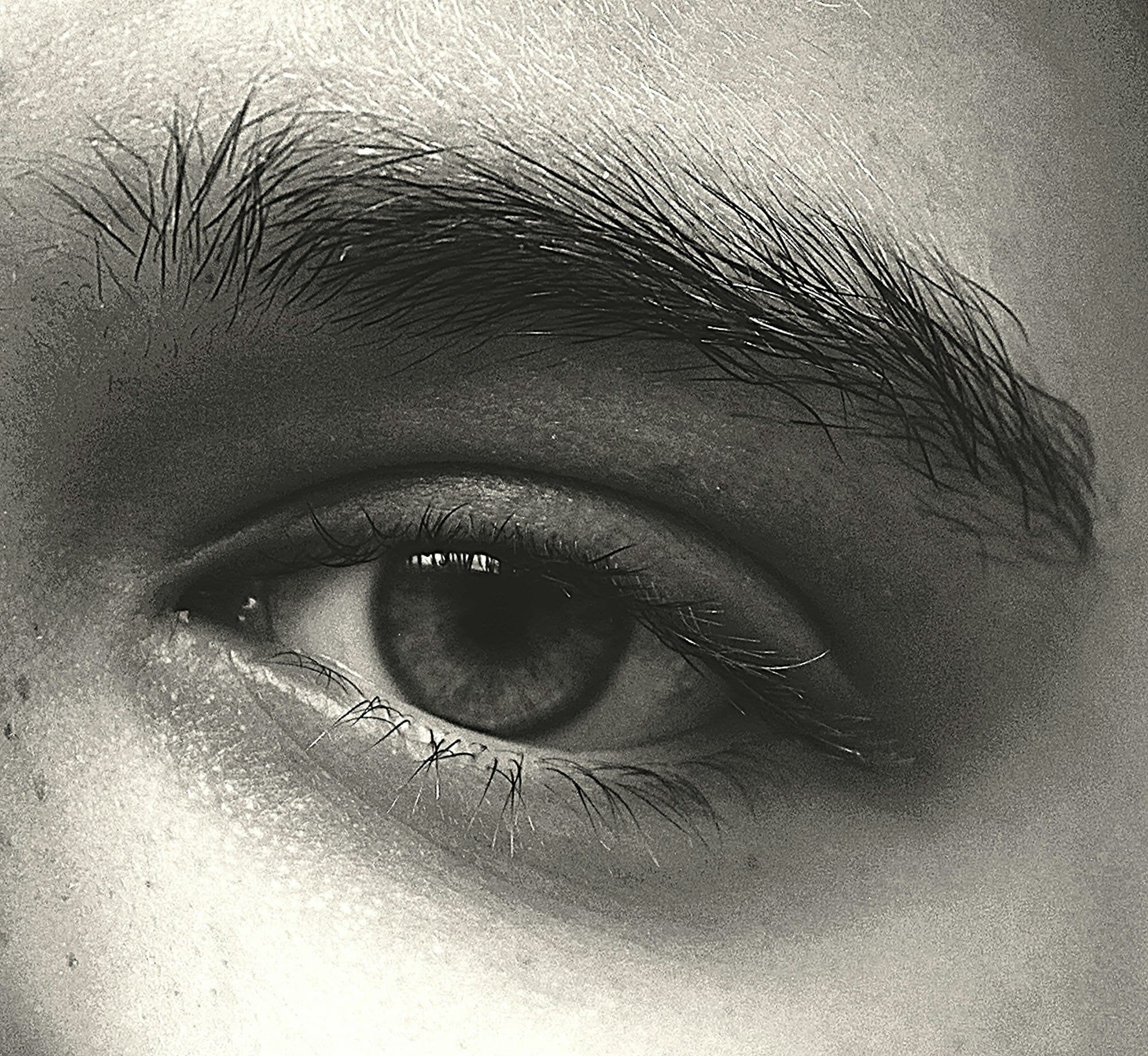
Eyebrows frame the face and directly shape our expression. Full, defined brows give a youthful, lively look, while sparse or uneven brows can make the face look tired or expressionless. Years of over-plucking, poorly applied permanent make-up, ageing, certain medical conditions or scars from accidents can all cause eyebrows to thin or disappear entirely.
An eyebrow transplant is performed by placing single-hair follicles taken from the back of the head into the brow area. The result is not a surface solution like make-up or permanent pigmentation, but permanent brows made of hairs that genuinely grow.
Who is it suitable for?
An eyebrow transplant is a good choice for:
- Brows that have not grown back after years of over-plucking
- Brows that are naturally sparse or poorly defined
- The tail of the brow thinning with age
- Hairless areas after accidents, burns or surgery
- People with permanent make-up who want natural brows
- Balancing asymmetrical brows
If eyebrow loss is linked to a medical cause such as thyroid disease, certain skin conditions or patchy hair loss (alopecia areata), that cause must be assessed first. A transplant is not recommended while an active condition continues.
Eyebrow design
The success of an eyebrow transplant depends largely on design. Where the brow starts, the highest point of its arch and where the tail ends are determined according to the proportions of your face. There are clear differences between female and male brows: female brows are usually finer with a more defined arch, while male brows are flatter and thicker.
During design, we ask you to bring photos of how you would like your brows to look. The brow line is drawn with a pencil before the procedure and assessed together in front of a mirror. We never begin without your approval.
How is the procedure done?
- Design and drawing: The shape of the brow is defined to suit your face.
- Local anaesthesia: The brow area and a small donor area are numbed.
- Graft selection: Usually only fine, single-hair follicles are taken from the back of the head. Because brows consist of individual hairs, multi-hair grafts are not used.
- Implantation: Follicles are placed with very fine tips or with the Choi pen used in DHI, at an angle so shallow it is almost parallel to the skin.
The direction of eyebrow hair changes by zone. At the head of the brow, hairs grow upwards; along the body and tail, they lie sideways and slightly downwards. Hairs in the upper and lower rows also lean towards each other, forming a subtle line through the middle of the brow. Following these details is essential for a natural result that does not look "transplanted".
The number of grafts used depends on how much of the brow is being rebuilt. Completing just the tail is very different from creating a brow from scratch.
After the procedure
After the procedure, mild redness and small scabs form in the brow area; these fall away within 5–7 days. Mild swelling around the eyes is possible in the first few days.
- During the first week, the brows should be cleaned as advised without soaking them.
- Do not apply make-up, cream or brow tint to the area.
- Do not rub or scratch the treated area.
- Protect the area from direct sun in the first weeks.
Some transplanted hairs fall out in weeks 2–4. New hairs begin to grow around month 3, and the result becomes clear within 6–8 months.
Caring for transplanted brows
Because the transplanted hairs come from the back of the head, they continue to grow like scalp hair. You will need to trim your brows regularly with scissors, usually every 2–4 weeks. Over time, some hairs adapt to the brow area and their growth may slow. The hairs are easy to shape with brow gel.
Frequently asked questions
Is an eyebrow transplant permanent?
Yes. Transplanted follicles carry the characteristics of the back of the head and are permanent.
Why do transplanted brows keep growing?
Because the follicles come from the scalp, they grow like scalp hair. They need regular trimming.
Can brows with permanent make-up be transplanted?
Yes, transplantation can be done in an area with permanent make-up. The colour and density of the pigment are assessed at the examination.
When can I wear make-up after an eyebrow transplant?
Away from the brows, after a few days; on the brows themselves, once the scabs have fully fallen away and healing is complete.
The information on this page is for general guidance only; diagnosis and treatment decisions are made by a physician after examination. Results vary from person to person.