On this page
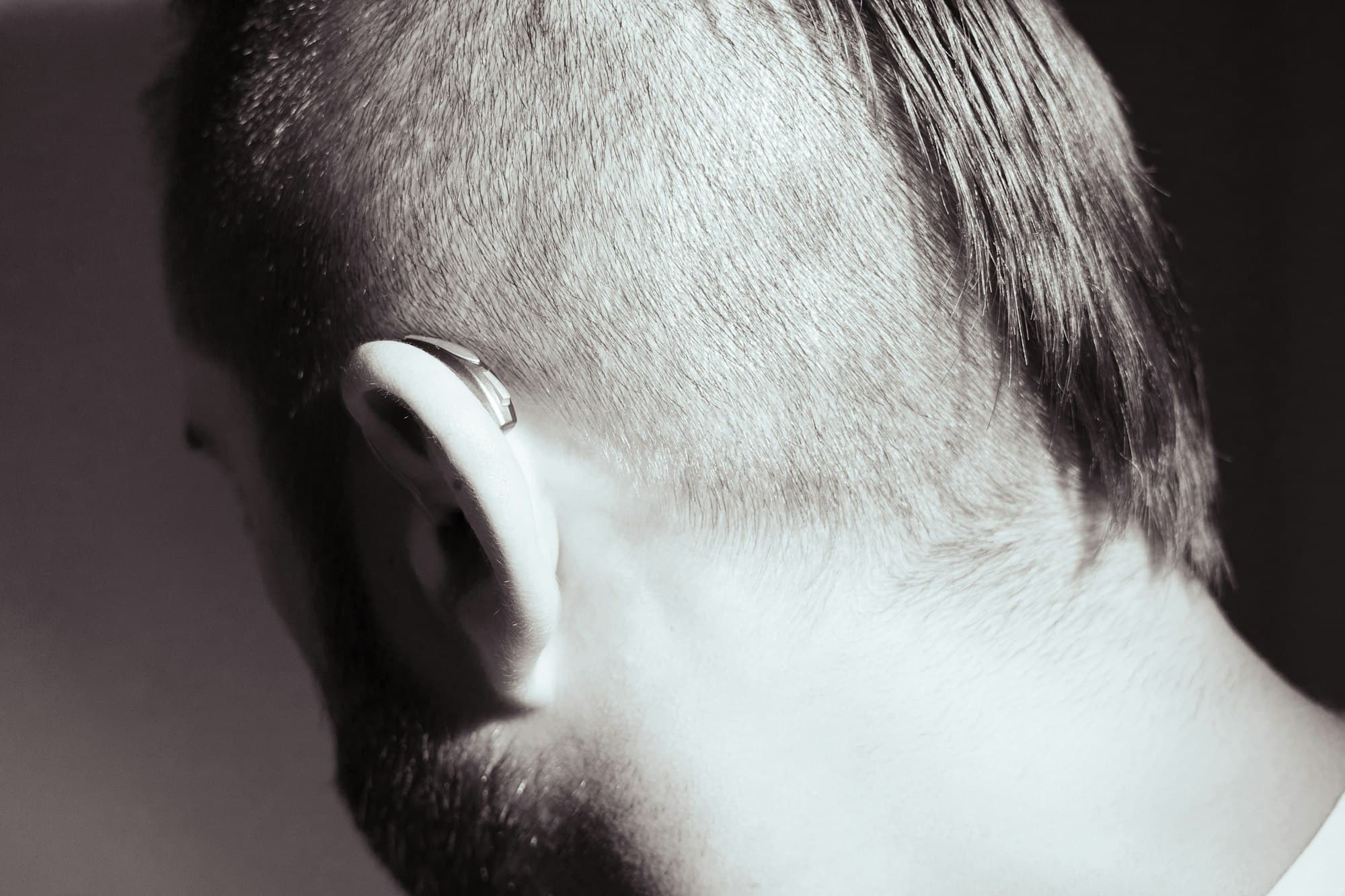
The follicles used in a hair transplant are taken from what is called the "donor area". This is usually a horseshoe-shaped zone covering the back of the head and the area above the ears. What makes it special is that the follicles here are genetically resistant to hair loss. Even in men with advanced hair loss, the hair in this area is usually preserved.
But the donor area is not an unlimited resource. Every follicle taken is moved permanently and is not replaced. That is why a good hair transplant plan calculates not only how many grafts should be placed in the bald area, but also how many can be safely taken from the donor area.
The safe donor zone
Not all of the donor area is equally safe. The middle of the back of the head is usually the most resistant and densest area. Follicles taken from too high or too low in this area may be lost over the years. That is why follicles are harvested from within limits defined as the "safe donor zone".
The limits of the safe zone vary from person to person. Especially in young patients, because it is impossible to know exactly how far hair loss will progress, the limits are drawn more conservatively.
How is donor capacity assessed?
To determine how many grafts can be safely taken from the donor area, we assess:
- Density: The number of follicular units per square centimetre. Higher density means more grafts can be taken.
- Hair thickness: Thick hair gives a fuller look with the same number of grafts.
- Hairs per graft: A high proportion of double and triple-hair grafts means more hair is moved with the same number of grafts.
- Width of the donor area: Head shape and the size of the safe zone.
- Hair colour and texture: Contrast between hair and skin affects how visible any thinning would be.
This assessment is made approximately from photos during the preliminary consultation, and precisely through examination and measurement on surgery day.
Why is over-harvesting dangerous?
Taking more follicles than the donor area can sustain is called "over-harvesting", and it can have permanent consequences:
- Sparse, "moth-eaten" patches at the back of the head
- Irregular white dots that become visible when the hair is cut short
- Permanent thinning of the donor area
- No resource left for a second transplant that may be needed in future
So whenever a high graft count is promised, it should always be questioned whether the donor area can support it. For more on graft calculation, see our how many grafts do I need guide.
Alternative donor areas
When scalp donor capacity is insufficient, alternative areas may be considered in some cases:
- Beard donor: Beard hair from under the chin and the neck can be used, thanks to its thickness, particularly to add volume at the crown.
- Body hair: Hair from areas such as the chest is used in more limited situations, because its structure and growth cycle are different.
Hair from these areas has different characteristics from scalp hair, so it is usually used as a supplement rather than the main donor source. These options can become important, particularly in revision cases.
Healing of the donor area
With FUE, follicles are harvested with punches 0.6–0.9 mm in diameter, so no linear scar is left in the donor area. In the first days after the procedure, small scabs form at the extraction points; these usually heal within 7–10 days. The hair in the donor area grows within a few weeks and covers the extraction points.
After a well-distributed harvest, no difference is visible in the donor area unless the hair is cut very short. For details on caring for the donor area, read our hair transplant aftercare page.
Frequently asked questions
Does hair taken from the donor area grow back?
No. A harvested follicle is moved permanently. That is why the donor area must be used carefully.
Can I have a transplant if my donor area is weak?
It depends on capacity. A plan that prioritises a smaller area, or alternative donor areas, may be considered.
Will there be scars in the donor area?
FUE does not leave a linear scar. The small extraction points heal and are not noticeable unless the hair is cut very short.
Can beard hair be used in a hair transplant?
In some cases, yes — mainly as a supplement to add volume at the crown.
The information on this page is for general guidance only; diagnosis and treatment decisions are made by a physician after examination. Results vary from person to person.